
- English
- Español
- Português
- русский
- Français
- 日本語
- Deutsch
- tiếng Việt
- Italiano
- Nederlands
- ภาษาไทย
- Polski
- 한국어
- Svenska
- magyar
- Malay
- বাংলা ভাষার
- Dansk
- Suomi
- हिन्दी
- Pilipino
- Türkçe
- Gaeilge
- العربية
- Indonesia
- Norsk
- تمل
- český
- ελληνικά
- український
- Javanese
- فارسی
- தமிழ்
- తెలుగు
- नेपाली
- Burmese
- български
- ລາວ
- Latine
- Қазақша
- Euskal
- Azərbaycan
- Slovenský jazyk
- Македонски
- Lietuvos
- Eesti Keel
- Română
- Slovenski
- मराठी
- Srpski језик

How Does a Manual Transfer Switch Work for Safe Power Switching?
Article Summary
A manual transfer switch is a critical electrical device designed to safely switch power sources between utility grid supply and backup generators. It ensures controlled isolation, prevents backfeeding, and protects both equipment and personnel during power transitions. This article explains the working principle, internal structure, applications, selection criteria, installation considerations, and maintenance practices of manual transfer switches. It also addresses common operational challenges and provides practical guidance for safe usage in residential, commercial, and industrial environments. Solutions provided by ICHYTI reflect modern safety and reliability standards for power distribution systems.
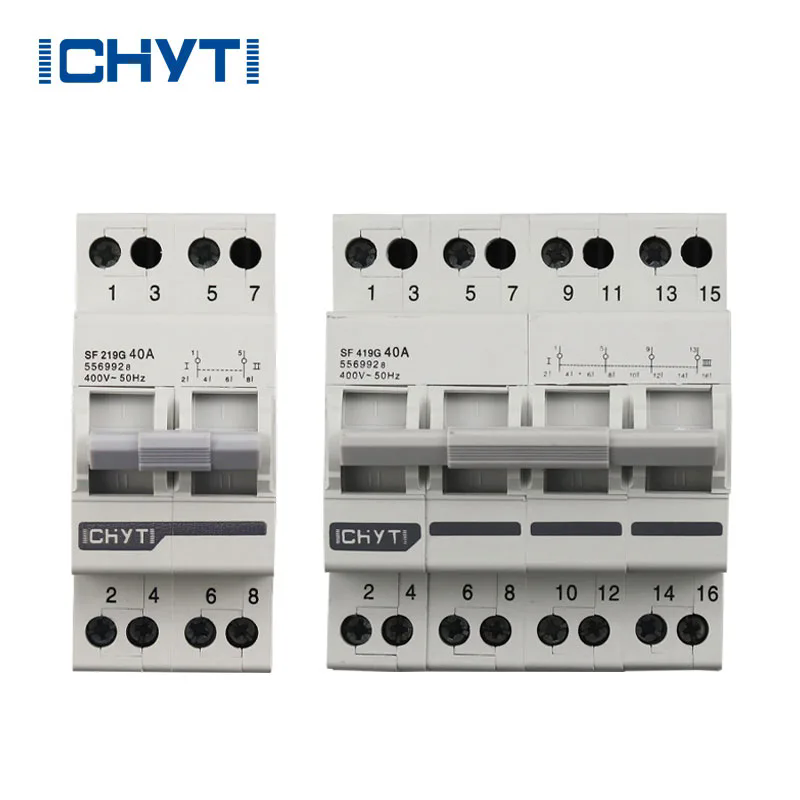
Table of Contents
- Introduction to Manual Transfer Switch
- What is a Manual Transfer Switch
- How a Manual Transfer Switch Works
- Key Components Explained
- Typical Applications
- Core Benefits
- How to Choose the Right Model
- Installation Considerations
- Maintenance Guidelines
- Common Problems and Troubleshooting
- Safety Considerations
- Frequently Asked Questions
- Conclusion and Contact
Introduction to Manual Transfer Switch
In modern power systems, uninterrupted electricity is essential for maintaining productivity, safety, and operational continuity. A manual transfer switch plays a vital role in ensuring that electrical loads can be safely transferred between primary utility power and backup generator systems. Unlike automatic systems, it requires human intervention, offering greater control in specific operational environments.
Manufacturers like ICHYTI design manual transfer switch solutions that prioritize reliability, safety, and mechanical durability, making them suitable for demanding environments where controlled switching is preferred.
What is a Manual Transfer Switch
A manual transfer switch is an electrical switching device that allows a user to select between two power sources—typically utility power and a generator. It physically isolates one source before connecting the other, preventing dangerous backfeed conditions that could damage equipment or endanger utility workers.
It is commonly installed in distribution panels and serves as a bridge between standby power systems and electrical loads.
How a Manual Transfer Switch Works
The working principle of a manual transfer switch is based on mechanical isolation and controlled switching. When the main power supply fails, the operator manually disconnects the load from the utility line and connects it to the generator source.
The process typically follows these steps:
- Step 1: Utility power is active and supplying the load.
- Step 2: In case of outage, the operator turns off the main breaker.
- Step 3: The switch is moved to the generator position.
- Step 4: Backup generator is started and stabilized.
- Step 5: Load is transferred safely to generator power.
This mechanical process ensures full isolation between sources, reducing the risk of electrical faults. ICHYTI manual transfer switch systems are engineered with interlocking mechanisms to prevent accidental dual-source connection.
Key Components Explained
A typical manual transfer switch includes several essential components:
| Component | Function |
|---|---|
| Main Switch Handle | Used to manually toggle between power sources |
| Contact System | Conducts or isolates electrical current |
| Mechanical Interlock | Prevents simultaneous connection of both sources |
| Enclosure | Protects internal components from dust and moisture |
| Terminal Blocks | Connection points for input and output wiring |
ICHYTI designs focus on robust contact materials and reinforced enclosures to extend service life under heavy-duty electrical loads.
Typical Applications
Manual transfer switches are widely used across different sectors:
- Residential backup generator systems
- Small commercial buildings
- Agricultural facilities and irrigation systems
- Remote industrial installations
- Telecommunication equipment shelters
In environments where automatic switching is not required or cost-sensitive solutions are preferred, manual transfer switches provide a reliable alternative.
Core Benefits
Using a manual transfer switch offers several advantages:
- Operational Control: Users decide exactly when to switch power sources.
- Cost Efficiency: More affordable compared to automatic systems.
- High Reliability: Mechanical systems are less prone to electronic failure.
- Safety Isolation: Prevents dangerous backfeeding scenarios.
- Simple Maintenance: Fewer electronic components reduce servicing complexity.
ICHYTI integrates safety-enhanced switching structures that ensure stable performance even in fluctuating load conditions.
How to Choose the Right Model
Selecting the correct manual transfer switch depends on multiple factors:
- Rated Load Capacity: Must match or exceed system demand.
- Number of Poles: Single-phase or three-phase compatibility.
- Voltage Rating: Suitable for local grid standards.
- Enclosure Type: Indoor or outdoor installation requirements.
- Switching Mechanism Quality: Mechanical durability and safety interlocks.
ICHYTI provides multiple configurations tailored for different industrial and residential applications, ensuring compatibility with diverse electrical systems.
Installation Considerations
Proper installation is essential for safe operation. Manual transfer switches should always be installed by qualified electricians to ensure compliance with electrical standards.
Key installation guidelines include:
- Ensuring complete isolation between utility and generator lines
- Proper grounding of the system
- Using correctly rated cables and connectors
- Mounting the switch in an accessible and dry location
ICHYTI recommends following standardized wiring diagrams to ensure system integrity and long-term performance.
Maintenance Guidelines
Regular maintenance improves reliability and extends the service life of a manual transfer switch.
- Inspect mechanical components for wear and corrosion
- Tighten electrical terminals periodically
- Test switching functionality under load conditions
- Keep enclosure clean and moisture-free
Routine inspection is especially important in environments with high humidity or dust exposure.
Common Problems and Troubleshooting
Some typical issues include:
- Switch stiffness: Caused by mechanical wear or lack of lubrication
- Loose connections: May lead to overheating or voltage drop
- Contact erosion: Occurs after long-term load switching
- Incorrect wiring: Can prevent proper load transfer
ICHYTI recommends periodic professional inspection to detect early signs of failure and maintain safe operation.
Safety Considerations
Safety is the most critical aspect of manual transfer switch operation. Improper handling can lead to severe electrical hazards. Users must ensure:
- Never connect both power sources simultaneously
- Always shut down load before switching
- Use insulated tools during maintenance
- Follow manufacturer wiring instructions strictly
ICHYTI designs incorporate mechanical interlocks that significantly reduce operational risks and enhance user safety.
Frequently Asked Questions
Q1: What is the main purpose of a manual transfer switch?
It safely transfers electrical load between utility power and a backup generator.
Q2: Can a manual transfer switch be used in homes?
Yes, it is commonly used in residential backup power systems.
Q3: Is professional installation required?
Yes, installation should always be performed by a qualified electrician.
Q4: How often should it be maintained?
Inspection every 6–12 months is recommended depending on usage.
Conclusion and Contact
A manual transfer switch remains a dependable solution for controlled power switching in both residential and industrial environments. Its mechanical simplicity, cost efficiency, and reliability make it a preferred choice for many backup power systems. With robust engineering and safety-focused design, ICHYTI provides high-performance manual transfer switch solutions that meet modern electrical demands.
For more detailed product information, system customization, or technical support, please contact ICHYTI. contact us today to explore reliable manual transfer switch solutions tailored to your power system requirements.