Modern electrical systems rely on safe and stable power distribution. Whether in residential buildings, commercial facilities, or industrial environments, an AC circuit breaker plays a critical role in preventing overloads, short circuits, and electrical fires. Choosing the right breaker improves safety, reduces downtime, and protects expensive electrical equipment.
Article Summary
This article explains how AC circuit breakers function, why they are essential for electrical protection, and how to select the correct breaker for different applications. You will also learn about common issues, maintenance strategies, and practical buying considerations for safer electrical system operation.
What Is an AC Circuit Breaker?
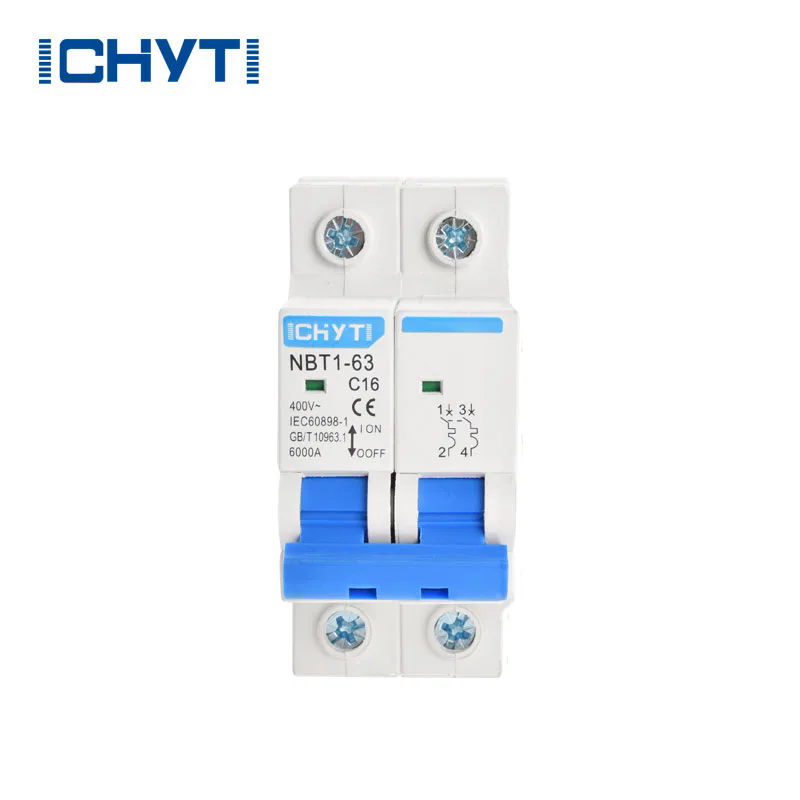
An AC circuit breaker is an automatic electrical protection device designed to interrupt electrical current when abnormal conditions occur. These abnormal conditions include overloads, short circuits, and equipment faults that could otherwise damage wiring systems or connected devices.
Unlike traditional fuses that must be replaced after operation, circuit breakers can usually be reset and reused. This makes them a more efficient and cost-effective solution for modern electrical systems.
AC circuit breakers are widely used in:
-
Residential distribution panels
-
Commercial buildings
-
Industrial automation systems
-
Renewable energy systems
-
Motor protection circuits
-
HVAC equipment
Professional manufacturers such as CHYT provide reliable AC circuit breaker solutions for low-voltage electrical distribution and industrial protection applications.
How Does an AC Circuit Breaker Work?
The operating principle of an AC circuit breaker is based on detecting abnormal electrical current and automatically disconnecting the circuit before serious damage occurs.
The breaker contains internal protection mechanisms that respond to different fault conditions.
|
Protection Type
|
Function
|
|
Thermal Protection
|
Protects against overload conditions using heat-sensitive components.
|
|
Magnetic Protection
|
Instantly reacts to short-circuit currents through electromagnetic force.
|
|
Arc Extinguishing System
|
Safely suppresses electrical arcs during circuit interruption.
|
When the current exceeds the breaker’s rated capacity, the internal mechanism trips and disconnects the electrical flow. This rapid interruption minimizes damage and improves operational safety.
Types of AC Circuit Breakers
Different applications require different types of circuit breakers. Understanding the available options helps customers select the most suitable protection solution.
Miniature Circuit Breaker (MCB)
MCBs are commonly used in residential and light commercial applications. They provide protection for lighting systems, sockets, and small appliances.
Molded Case Circuit Breaker (MCCB)
MCCBs are designed for higher current ratings and industrial environments. They offer adjustable trip settings and improved breaking capacity.
Residual Current Circuit Breaker (RCCB)
RCCBs detect leakage current and reduce the risk of electric shock.
Air Circuit Breaker (ACB)
ACBs are typically used in large-scale power distribution systems and industrial installations.
Why Are AC Circuit Breakers Important?
Electrical faults can cause severe consequences including fire hazards, equipment damage, production downtime, and safety accidents. An AC circuit breaker acts as the first line of defense against these risks.
Key advantages include:
-
Automatic fault isolation
-
Enhanced electrical safety
-
Reduced maintenance costs
-
Protection for expensive machinery
-
Improved power system reliability
-
Fast restoration after fault removal
For industrial users, reliable breaker performance is especially important because unexpected power interruptions can result in significant operational losses.
How to Choose the Right AC Circuit Breaker
Selecting the correct breaker requires careful analysis of the electrical system and application environment.
Important factors include:
|
Factor
|
Why It Matters
|
|
Rated Current
|
Ensures the breaker can handle normal operating load.
|
|
Voltage Rating
|
Must match the electrical system voltage.
|
|
Breaking Capacity
|
Determines the maximum fault current the breaker can interrupt safely.
|
|
Number of Poles
|
Depends on single-phase or three-phase applications.
|
|
Installation Environment
|
Temperature, humidity, and dust affect breaker performance.
|
Working with an experienced supplier like CHYT can simplify the selection process and help ensure long-term reliability.
Common AC Circuit Breaker Problems
Even high-quality breakers may experience issues over time if improperly installed or exposed to harsh operating conditions.
Common problems include:
-
Frequent tripping
-
Overheating terminals
-
Loose wiring connections
-
Mechanical wear
-
Corrosion from humidity
-
Breaker failing to reset
Frequent breaker tripping is usually a sign of overloaded circuits, short circuits, or defective connected equipment. Ignoring these warning signs may increase the risk of electrical failure.
Maintenance Tips for Long-Term Performance
Regular maintenance helps extend the service life of an AC circuit breaker and ensures consistent protection performance.
-
Inspect terminals regularly for loose connections
-
Keep electrical panels clean and dry
-
Check for signs of overheating or discoloration
-
Perform periodic insulation testing
-
Replace damaged or aged breakers promptly
-
Ensure proper load distribution
Industrial facilities should also implement scheduled preventive maintenance programs to minimize unexpected downtime.
AC Circuit Breaker Comparison Table
|
Breaker Type
|
Application
|
Current Range
|
Main Advantage
|
|
MCB
|
Residential
|
Low
|
Compact and economical
|
|
MCCB
|
Industrial
|
Medium to High
|
High breaking capacity
|
|
RCCB
|
Leakage Protection
|
Medium
|
Electric shock prevention
|
|
ACB
|
Power Distribution
|
Very High
|
Advanced industrial protection
|
FAQ
Can an AC circuit breaker prevent electrical fires?
Yes. Circuit breakers disconnect faulty circuits before excessive heat damages wiring insulation and surrounding materials.
Why does my breaker keep tripping?
Frequent tripping may indicate overloaded circuits, short circuits, or malfunctioning electrical equipment.
How long does an AC circuit breaker last?
A high-quality breaker can last many years when properly installed and maintained.
Can I replace a circuit breaker myself?
Electrical work should be performed by qualified professionals to ensure safety and compliance with local regulations.
Which breaker is best for industrial applications?
MCCBs and ACBs are commonly preferred for industrial systems due to their higher capacity and advanced protection features.
Conclusion
An AC circuit breaker is one of the most important components in any electrical system. It protects people, equipment, and property from dangerous electrical faults while improving operational stability and efficiency.
Whether you need protection for residential distribution, commercial installations, or industrial automation systems, choosing the correct breaker specification is essential for long-term performance and safety.
CHYT offers dependable AC circuit breaker solutions designed for modern electrical applications. If you are looking for reliable products, professional technical support, and customized electrical protection solutions, contact us today to discuss your project requirements and discover the right AC circuit breaker for your system.