
- English
- Español
- Português
- русский
- Français
- 日本語
- Deutsch
- tiếng Việt
- Italiano
- Nederlands
- ภาษาไทย
- Polski
- 한국어
- Svenska
- magyar
- Malay
- বাংলা ভাষার
- Dansk
- Suomi
- हिन्दी
- Pilipino
- Türkçe
- Gaeilge
- العربية
- Indonesia
- Norsk
- تمل
- český
- ελληνικά
- український
- Javanese
- فارسی
- தமிழ்
- తెలుగు
- नेपाली
- Burmese
- български
- ລາວ
- Latine
- Қазақша
- Euskal
- Azərbaycan
- Slovenský jazyk
- Македонски
- Lietuvos
- Eesti Keel
- Română
- Slovenski
- मराठी
- Srpski језик
How Does a Changeover Switch Improve Power Continuity and Safety?
Reliable power transfer is critical in homes, factories, commercial buildings, and backup energy systems. A changeover switch ensures seamless switching between primary and backup power sources, minimizing downtime and protecting electrical equipment from interruptions.
Abstract
A changeover switch is an essential electrical switching device used to transfer load between two power sources safely and efficiently. Whether used in generator backup systems, industrial panels, or renewable energy installations, it prevents operational disruption during outages and protects circuits from unsafe manual switching errors. This article explains how a changeover switch works, where it is used, what problems it solves, and how to choose the right model for your application.
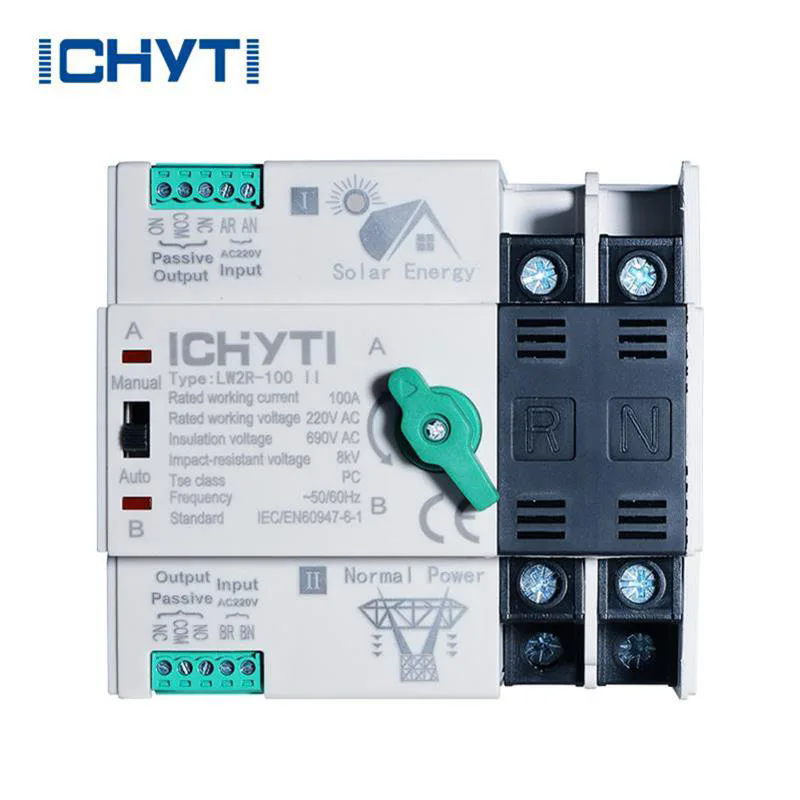
Table of Contents
What Is a Changeover Switch?
A changeover switch is an electrical device that transfers electrical load from one power source to another. Typically, it switches between the main utility supply and a backup generator or inverter source.
This switching mechanism ensures uninterrupted electricity during outages and prevents dangerous overlap between power sources. In industrial and commercial environments, such protection is indispensable for equipment safety and operational stability.
How Does a Changeover Switch Work?
The device disconnects one power input before connecting another. This “break-before-make” design avoids short circuits and reverse feeding.
- Main power fails or becomes unstable
- Switch detects interruption
- Load disconnects from primary source
- Backup source connects safely
- Normal supply resumes when utility returns
Automatic models perform this instantly without operator intervention, while manual models require physical switching.
Key Benefits of Using a Changeover Switch
- Ensures uninterrupted power continuity
- Protects sensitive electrical systems
- Prevents backfeed hazards
- Improves operational safety
- Reduces manual switching mistakes
- Supports emergency backup integration
For facilities such as hospitals, manufacturing plants, and data centers, even a few seconds of outage can cause major losses. A properly installed changeover switch eliminates that risk.
Common Applications
| Application Area | Purpose |
|---|---|
| Residential Homes | Generator backup during outages |
| Factories | Maintain production continuity |
| Hospitals | Critical life-support power reliability |
| Solar Systems | Grid/inverter source switching |
| Commercial Buildings | Backup power source transfer |
How to Choose the Right Changeover Switch
When selecting a model, consider these critical factors:
- Rated current capacity
- Voltage compatibility
- Number of poles required
- Manual or automatic operation type
- Installation environment
- Compliance certifications
CHYT manufactures durable and high-performance changeover switch solutions engineered for residential, industrial, and commercial electrical systems. Their products are designed for long service life, dependable switching accuracy, and safe installation.
Manual vs Automatic Changeover Switch Comparison
| Feature | Manual Type | Automatic Type |
|---|---|---|
| Operation | Requires human action | Switches automatically |
| Response Speed | Slower | Instant |
| Cost | Lower initial cost | Higher but more efficient |
FAQ
1. Can a changeover switch prevent generator backfeed?
Yes, it isolates utility and generator sources to eliminate reverse current hazards.
2. Is automatic switching better than manual switching?
Automatic switching is faster and ideal for critical systems requiring uninterrupted power.
3. How often should a changeover switch be inspected?
Professional inspection is recommended every 6–12 months depending on usage conditions.
4. Can one switch support solar and generator systems?
Yes, if designed for multi-source integration and correctly rated.
Power Your System with Confidence
Choosing the right changeover switch is essential for safe and uninterrupted power transfer. CHYT provides dependable solutions tailored for modern electrical demands. If you are looking for reliable switching technology backed by professional expertise, contact us today and let CHYT help you find the ideal solution for your power system.