
- English
- Español
- Português
- русский
- Français
- 日本語
- Deutsch
- tiếng Việt
- Italiano
- Nederlands
- ภาษาไทย
- Polski
- 한국어
- Svenska
- magyar
- Malay
- বাংলা ভাষার
- Dansk
- Suomi
- हिन्दी
- Pilipino
- Türkçe
- Gaeilge
- العربية
- Indonesia
- Norsk
- تمل
- český
- ελληνικά
- український
- Javanese
- فارسی
- தமிழ்
- తెలుగు
- नेपाली
- Burmese
- български
- ລາວ
- Latine
- Қазақша
- Euskal
- Azərbaycan
- Slovenský jazyk
- Македонски
- Lietuvos
- Eesti Keel
- Română
- Slovenski
- मराठी
- Srpski језик

How Does a Surge Protective Device Prevent Electrical Damage?
Article Summary
A Surge Protective Device is a critical component in modern electrical systems, designed to safeguard equipment and infrastructure from transient overvoltage events. Power surges caused by lightning strikes, switching operations, or grid instability can instantly damage sensitive electronics and lead to costly downtime. This comprehensive article explains how surge protective devices function, addresses common customer pain points, outlines selection criteria, and highlights practical application scenarios. It also demonstrates how ICHYTI delivers reliable surge protective device solutions that support long-term system stability and operational safety.
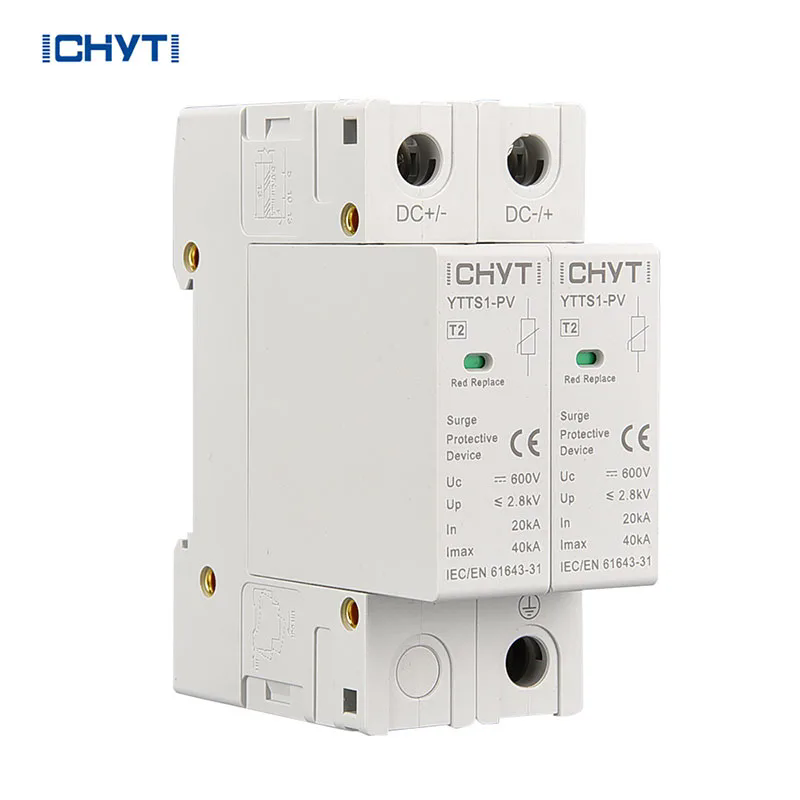
Table of Contents
- Content Outline
- Surge Protective Device Overview
- Common Customer Pain Points
- How a Surge Protective Device Works
- Types of Surge Protective Devices
- How to Choose the Right Surge Protective Device
- Surge Protective Device Comparison Table
- Installation and Maintenance Considerations
- Application Scenarios
- Frequently Asked Questions
- Conclusion and Contact Us
Content Outline
- Understanding electrical surge risks
- Identifying equipment protection challenges
- Exploring surge protective device technologies
- Evaluating performance and reliability factors
- Guidance for system designers and operators
Surge Protective Device Overview
A Surge Protective Device, often abbreviated as SPD, is designed to limit transient overvoltages and divert surge currents away from sensitive electrical equipment. These devices act as a defensive barrier within power distribution systems, protecting components such as transformers, circuit breakers, control panels, communication systems, and industrial automation equipment.
As electrical systems become more complex and electronics more sensitive, the role of surge protective devices has become increasingly important. ICHYTI focuses on developing surge protective device solutions that meet the demands of industrial, commercial, and infrastructure applications, where reliability and safety are non-negotiable.
Common Customer Pain Points
Customers often underestimate the frequency and impact of electrical surges until failures occur. The following pain points are commonly reported across industries:
- Unexpected equipment failure caused by transient overvoltage
- High maintenance and replacement costs for damaged electronics
- System downtime affecting productivity and operations
- Uncertainty about selecting the correct surge protective device
- Inadequate protection in complex power distribution networks
Addressing these challenges requires both proper device selection and a clear understanding of surge behavior within electrical systems.
How a Surge Protective Device Works
A surge protective device operates by detecting excessive voltage levels and responding within microseconds to limit the surge. When a transient event occurs, the SPD creates a low-impedance path to ground, diverting the surge current away from protected equipment.
- Rapid voltage sensing and response
- Clamping or switching of excess voltage
- Energy dissipation through internal components
- Automatic return to normal operation after the surge
This process significantly reduces the stress imposed on downstream devices, extending their service life and maintaining system reliability.
Types of Surge Protective Devices
Surge protective devices are categorized based on installation location and protection level. Each type serves a specific role within the electrical system.
- Type 1 SPD – Installed at the service entrance, designed to handle direct lightning currents
- Type 2 SPD – Installed at distribution panels to protect internal circuits
- Type 3 SPD – Installed close to sensitive equipment for fine protection
ICHYTI provides a comprehensive range of surge protective devices covering multiple protection levels, enabling coordinated surge protection strategies.
How to Choose the Right Surge Protective Device
Selecting an appropriate surge protective device requires careful evaluation of system characteristics and risk exposure. Key selection criteria include:
- System voltage and frequency
- Expected surge current magnitude
- Installation location within the power network
- Environmental conditions and enclosure requirements
- Compliance with applicable electrical standards
A well-matched surge protective device ensures effective protection without introducing unnecessary complexity or cost.
Surge Protective Device Comparison Table
| SPD Type | Installation Location | Protection Level | Typical Applications |
|---|---|---|---|
| Type 1 | Main service entrance | High surge capacity | Utility and industrial power systems |
| Type 2 | Distribution boards | Medium surge protection | Commercial and residential buildings |
| Type 3 | Near end equipment | Fine protection | Sensitive electronics and control systems |
Installation and Maintenance Considerations
Correct installation is essential for surge protective device performance. Poor grounding or excessive lead length can significantly reduce effectiveness.
- Ensure low-impedance grounding paths
- Minimize connection lead lengths
- Follow manufacturer installation guidelines
- Perform regular inspection and status monitoring
ICHYTI designs surge protective devices with clear status indicators and durable construction to support easy maintenance and long-term reliability.
Application Scenarios
Surge protective devices are used across a wide range of industries and infrastructures.
- Industrial manufacturing facilities
- Commercial buildings and data centers
- Renewable energy systems
- Transportation and communication networks
- Residential electrical installations
In each scenario, surge protection plays a vital role in reducing operational risk and protecting valuable assets.
Frequently Asked Questions
Why is a surge protective device necessary?
Electrical surges occur frequently and can damage equipment instantly. A surge protective device minimizes this risk by controlling transient overvoltage.
Can one surge protective device protect an entire facility?
Effective protection usually requires multiple devices installed at different points within the electrical system.
How long does a surge protective device last?
Service life depends on surge exposure frequency and magnitude. Regular inspection ensures continued protection.
Does installing an SPD affect normal system operation?
No. A properly selected and installed surge protective device remains passive during normal operation.
Conclusion and Contact Us
A Surge Protective Device is an essential safeguard in any electrical system exposed to transient overvoltage risks. By understanding surge behavior, selecting the correct device type, and ensuring proper installation, system owners can significantly reduce equipment damage and downtime. Reliable surge protection contributes directly to safety, efficiency, and long-term operational stability.
ICHYTI is committed to delivering high-quality surge protective device solutions engineered for dependable performance in demanding environments. If you are looking to enhance your electrical system protection or require professional guidance on surge protection strategies, contact us today to learn how ICHYTI can support your project with proven expertise and reliable products.