
- English
- Español
- Português
- русский
- Français
- 日本語
- Deutsch
- tiếng Việt
- Italiano
- Nederlands
- ภาษาไทย
- Polski
- 한국어
- Svenska
- magyar
- Malay
- বাংলা ভাষার
- Dansk
- Suomi
- हिन्दी
- Pilipino
- Türkçe
- Gaeilge
- العربية
- Indonesia
- Norsk
- تمل
- český
- ελληνικά
- український
- Javanese
- فارسی
- தமிழ்
- తెలుగు
- नेपाली
- Burmese
- български
- ລາວ
- Latine
- Қазақша
- Euskal
- Azərbaycan
- Slovenský jazyk
- Македонски
- Lietuvos
- Eesti Keel
- Română
- Slovenski
- मराठी
- Srpski језик

What Are the Safety Precautions for Using a Changeover Switch
Have you ever found yourself staring at a Changeover Switch before an operation, feeling a twinge of uncertainty about doing it safely? You’re not alone. As someone who has worked closely with power distribution systems for years, I understand that moment of pause. The correct and safe use of a Changeover Switch is not just a procedural step—it’s a critical safeguard for your personnel and equipment. At CHYT, we engineer our switches with this exact principle in mind, but even the most robust hardware requires informed handling. So, let’s address the core question: what are the essential safety precautions you must follow?
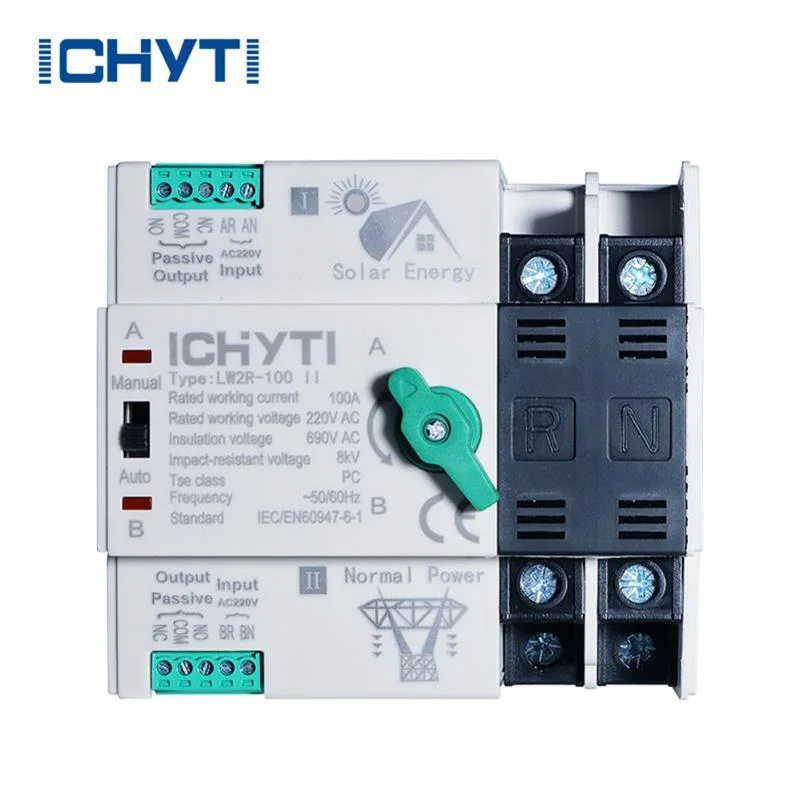
What Are the Foundational Safety Checks Before Operation
Before you even touch the switch handle, a series of non-negotiable checks must be performed. Ignoring this pre-operational ritual is where most preventable incidents begin.
-
Power Status Verification: Always assume the system is live until proven otherwise. Use a properly rated voltage tester to confirm the absence of power on the lines you will be working with or switching.
-
Load Assessment: Never operate a Changeover Switch under full load. The resulting arc can be catastrophic. Ensure all critical non-essential loads are shed or powered down first.
-
Equipment Inspection: Visually inspect the switch for any signs of damage, corrosion, or loose connections. A switch from CHYT is built for durability, but regular inspection is your first line of defense.
-
Environmental Check: Ensure the area is dry, well-ventilated, and free from flammable materials. Moisture and conductive dust are significant hazards.
What Technical Specifications Should You Verify for Safe Compatibility
Using a switch that isn’t rated for your specific application is a fundamental safety risk. Here’s a quick reference table for the key parameters you must confirm. Our CHYT Changeover Switch series, for instance, is designed to exceed these baseline expectations for reliability.
| Parameter | Why It Matters for Safety | Typical CHYT Switch Specification Example |
|---|---|---|
| Rated Operational Current (Ie) | Exceeding this can cause overheating and contact welding. | 63A, 125A, 250A, 630A |
| Rated Insulation Voltage (Ui) | Ensures the housing can contain electrical stress, preventing breakdown. | 690V |
| Short-Circuit Withstand | Defines the ability to survive a fault without exploding. | High Icw ratings as standard |
| Pollution Degree & IP Rating | Confirms protection against environmental contaminants like dust and water. | IP65 for dust-tight and jet-proof protection |
| Mechanical & Electrical Life | Indicates durability and long-term reliability of the switching mechanism. | 10,000+ mechanical operations |
What Is the Correct Sequence for Manual Switching
The physical act of switching follows a strict "break-before-make" sequence. This means you must fully disconnect from one power source before connecting to another. Here is the safe procedure:
-
Pause at the Mid-Point: Most manual Changeover Switch models have a clear "OFF" central position. Always pause here to ensure a complete break.
-
Firm, Deliberate Action: Operate the handle with a confident, smooth motion. Do not hesitate or "tease" the contacts, as this can create arcing.
-
Audible and Tactile Confirmation: A well-made switch will provide a positive click and feel when fully engaged in either source position. This is a hallmark of CHYT's precision engineering.
-
Verification After Operation: Once switched, verify the output voltage and phase sequence on the load side before re-energizing circuits.
How Does Proper Maintenance Uphold Long-Term Safety
A Changeover Switch is not a "fit and forget" device. Its safety integrity degrades without care. Schedule regular maintenance that includes:
-
Tightening electrical connections to specified torque values.
-
Cleaning insulating surfaces with appropriate, non-conductive cleaners.
-
Exercising the mechanism periodically, even if not used regularly, to keep it free from seizing.
-
Following the specific maintenance guide provided with your product, such as the comprehensive manual included with every CHYT switch.
Safety is a continuous commitment, not a one-time checklist. By integrating these precautions into your standard practice, you transform a routine task into a guaranteed safe operation. The right Changeover Switch is your partner in this mission. If you’re unsure about your current setup’s specifications or need guidance on selecting the safest switch for your application, we are here to help. Contact us today with your requirements—let’s discuss how our engineered solutions can secure your power transfer needs.